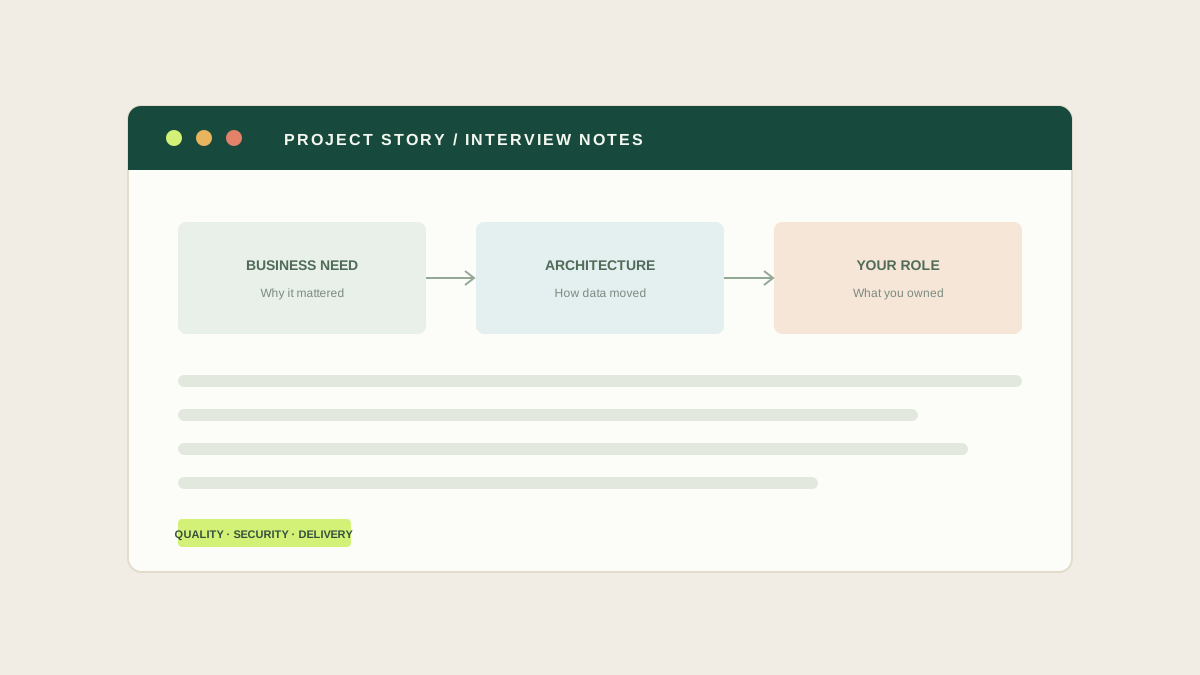
A strong project explanation helps the listener understand the problem, your decisions, and how you knew the result was dependable. Keep the story specific to your actual contribution; distinguish what you implemented from what the team or platform provided.
Use a clear story structure
- Business problem: who needed what information and why?
- Architecture: name the major components and explain why they belong in the design.
- Data flow: walk from source through ingestion, transformation, storage, and consumption.
- Your role: state what you personally designed, built, tested, or operated.
- Technologies: explain the job each technology performed instead of reciting a tool list.
Show engineering judgment
- Challenges and solutions: choose one concrete issue and describe the evidence that guided your response.
- Performance: describe the measurement, bottleneck, and change; avoid unsupported speed claims.
- Data quality: mention the checks, expected behavior, and what happens when a check fails.
- Security: explain the access boundary and how credentials or sensitive data are handled.
- Deployment: describe review, testing, environment promotion, and rollback considerations.
Practice follow-up questions
- What was the most important design trade-off?
- How did you detect incomplete or late data?
- How would you recover one failed processing window?
- What would you change if volume or freshness requirements increased?
Share this article
Continue your learning journeyExplore Interview Support